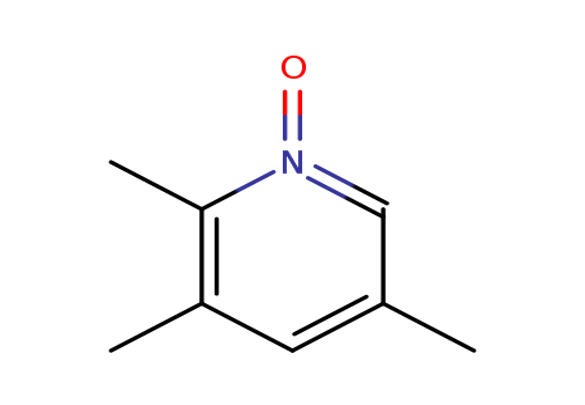
Pyridine derivatives
Pyridine derivatives contain a six-membered aromatic ring with one nitrogen atom. Substitution at the 2-, 3-, or 4-position produces distinct isomers; further substitution or ring fusion creates additional identities. Pyridine N-oxides, pyridinium salts, reduced analogues, and fused systems should be identified separately.
Published research uses defined pyridines as heteroaryl building blocks, functionalisation substrates, and ligands in coordination or catalytic systems. These roles do not imply common activity or performance. Confirm the full name, structure, CAS number where available, formula, substituent positions, and charge state. For an unlisted analogue, send an exact structure or identifier with your custom-synthesis enquiry.
Product Categories
Products
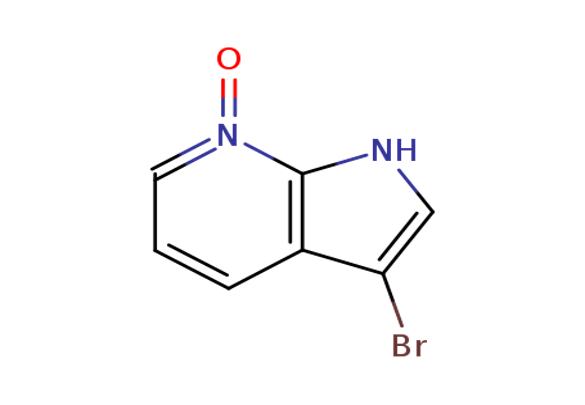
3-bromo-7-hydroxypyrrolo[2,3-b]pyridine
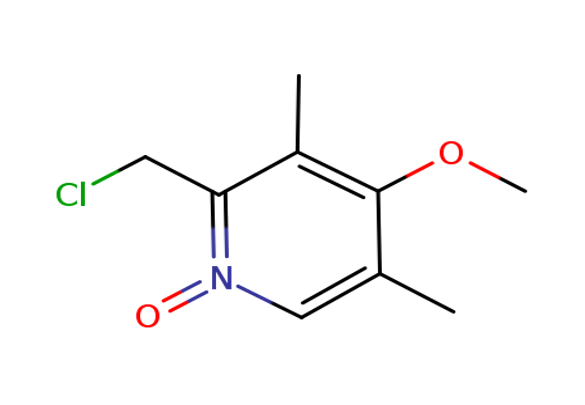
2-ChloroMethyl-4-Methoxy-3,5-diMethylpyridine 1-Oxide
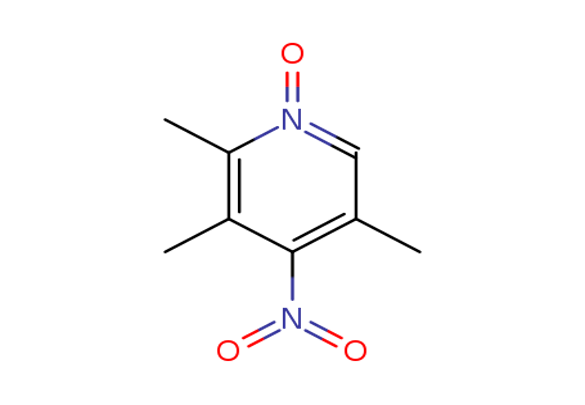
4-Nitro-2,3,5-TriMethylpyridine-1-Oxide
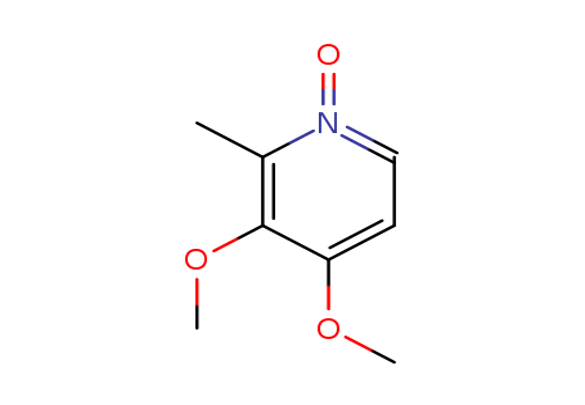
3,4-dimethoxy-2-methyl-1-oxidopyridin-1-ium
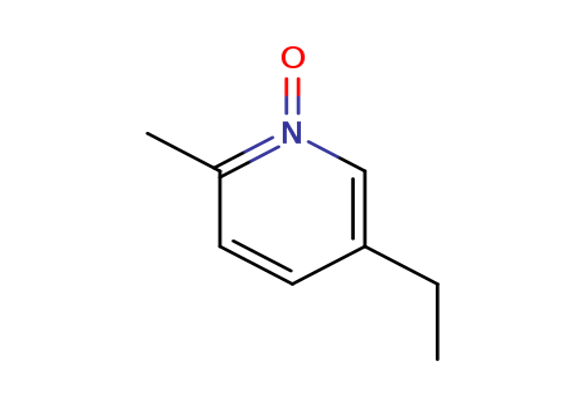
5-Ethyl-2-methylpyridine 1-oxide
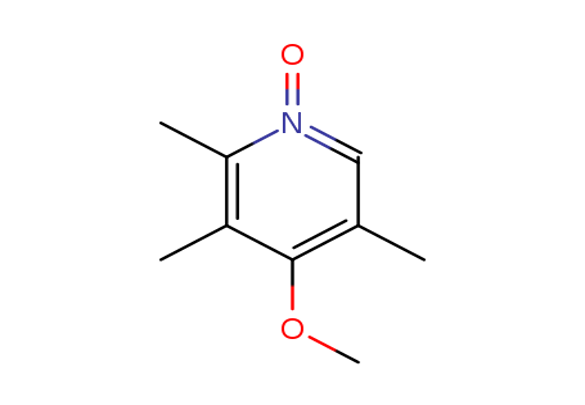
4-Nitro-2,3,5-trimethylpyridine N-oxide
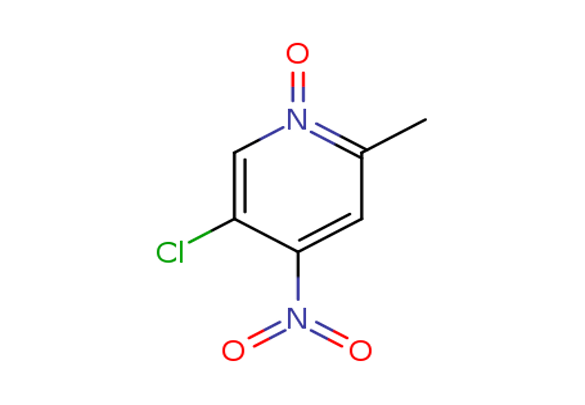
5-Chloro-2-methyl-4-nitropyridine oxide
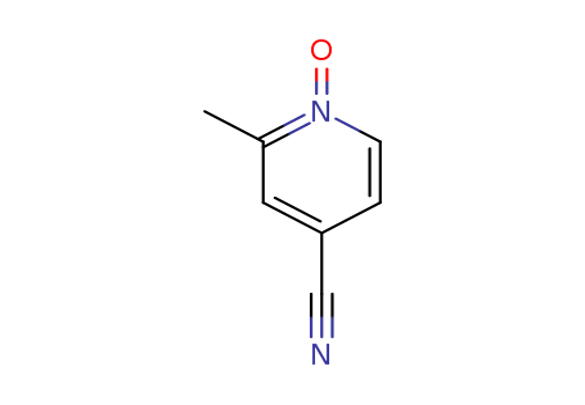
2-methyl-1-oxide-4-Pyridinecarbonitrile
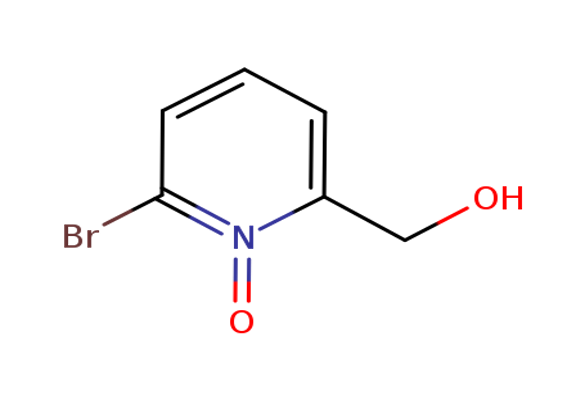
6-Bromo-2-pyridinemethanol-1-oxide
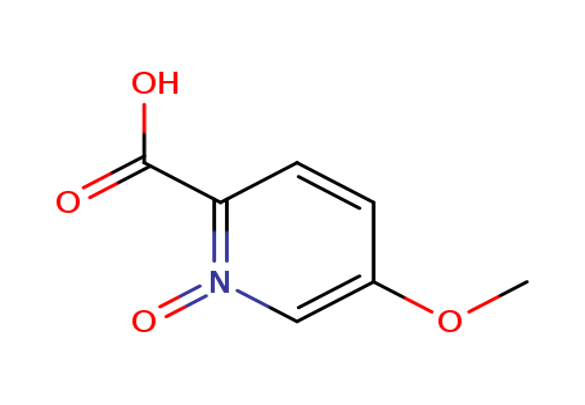
5-Methoxy-1-oxy-pyridine-2-carboxylic acid
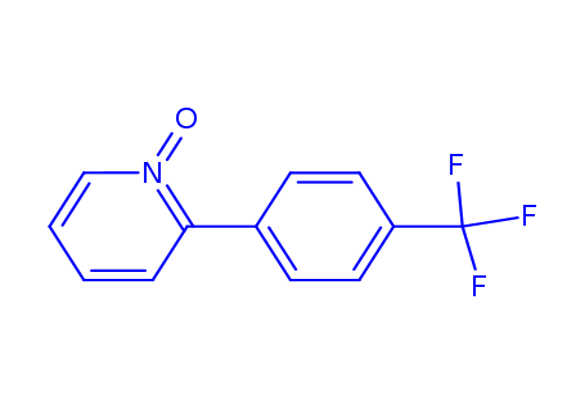
1-Oxido-2-[4-(trifluoromethyl)phenyl]pyridin-1-ium
1-Oxido-2-[4-(trifluoromethyl)phenyl]pyridin-1-ium is the C12H8F3NO identity linked to CAS 874271-40-6 and CID 11557751.